Walk into a South Louisiana kitchen and also you’re in all likelihood to discover a stack of sand-cast aluminum pots with thick walls, loop handles, and a repute that borders on folklore. McWare, pretty much which is called “Cajun cookware,” sits on the heart of many gumbo and jambalaya reviews. It’s also stumbled on its manner into pantries a long way from the Gulf Coast due to the fact that people choose the similar consequences: even warmness, beneficiant potential, and a pot which can take a beating. This mcware pots review seems to be earlier nostalgia and advertising. What issues is how these pots prepare dinner, how they age, and regardless of whether they’re really worth the space in your stove.
What McWare Actually Is
McWare pots are heavy, forged aluminum stockpots, Dutch-oven-trend roasters, and saucepots with tight-installing lids. Some lines are naked solid aluminum, others include a refined external and every now and then a nonstick inner. The classic McWare items are thick-walled, uncoated aluminum that builds a average seasoning through the years, a chunk like historical-school eating place pots. Handles are ordinarily bolted or riveted, lids are domed ample to condense steam, and sizes vary from small saucepots to twenty-quart giants.
The brand’s identity turned into forged in commercial-fashion cooking for abode use. Think one-pot meals that feed a crowd, long simmers that want consistent heat, and the form of browning that purely happens whilst a pot holds warmness instead of panicking at the primary splash of stock.
The Heat Story: Why Cast Aluminum Works
Aluminum’s superpower is thermal conductivity. It moves warmness effortlessly and lightly across the bottom, lowering hotspots that scorch roux or stick rice. The cast model of aluminum, that's what McWare uses, adds mass. More mass manner the pot resists dramatic temperature swings if you upload chilly constituents or raise the lid. In real looking terms, it truly is the difference among a roux that darkens predictably and one who breaks your middle after 20 minutes of stirring.
I first noticed this advantage when creating a giant batch of étouffée. My historical skinny steel pot required careful dancing with the flame and fixed scraping. The McWare eight-quart pot permit me attention on color and aroma, no longer temperature micromanagement. When I added stock, the simmer lower back within a minute without mountain climbing the burner. That stability is what you pay for.
Still, aluminum is not very solid iron. You received’t get https://tituszjxv123.timeforchangecounselling.com/mcware-pots-review-best-models-sets-and-buying-guide the equal warmth retention as a Dutch oven of equal length, and McWare doesn’t fake to be a sourdough-bread vessel. It sits in an in-among space: quicker to warmth than forged iron, steadier than light-weight stainless.
Browning, Deglazing, and the Bottom Line on Fond
Searing proteins is where cookware unearths its character. On an ordinary gasoline variety, McWare’s bare inside browns white meat thighs and pork shoulder optimistically over medium to medium-excessive warmth. The floor does not experience as aggressive as stainless-steel, however it builds a professional fond once moisture evaporates. If you crowd the pan, you’ll still steam in preference to sear, so work in batches.
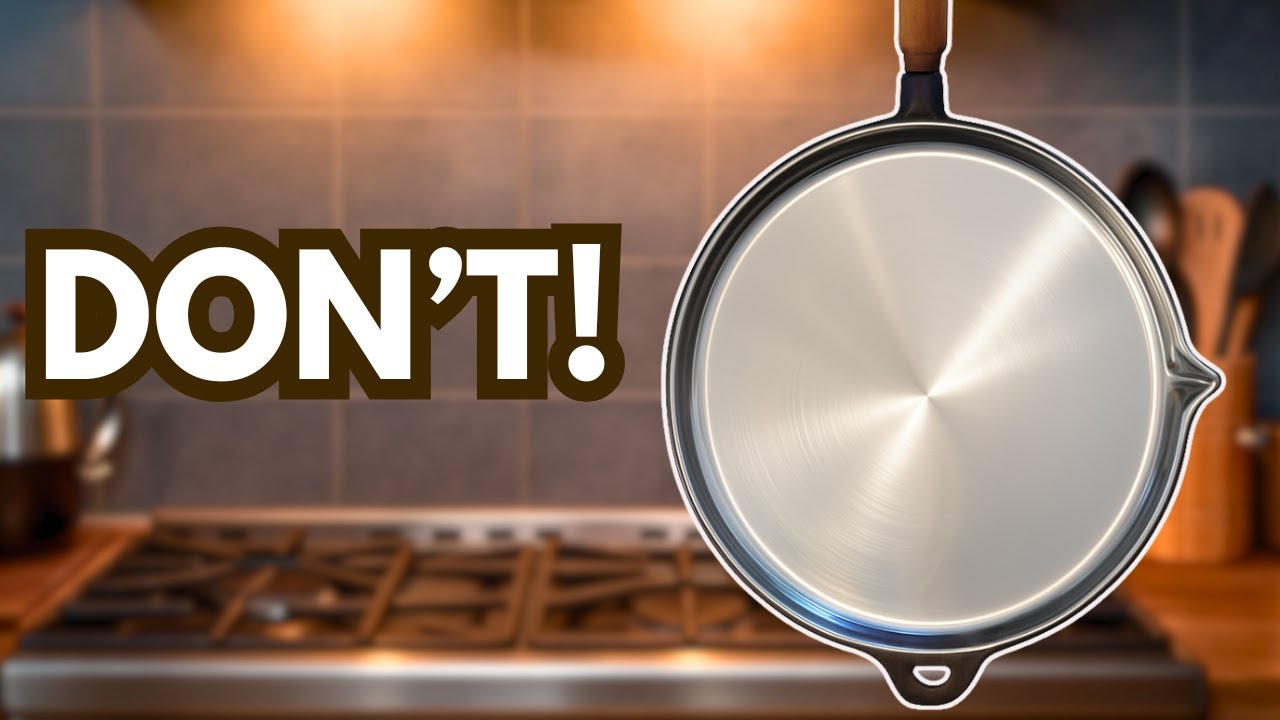
Deglazing is easy. Fond releases with wine, stock, or perhaps water, quite should you scrape with a flat-edged picket spatula. The pot tolerates steel utensils with out flinching, although I avoid sharp corners that will chew into the finish. Expect a faint patina to model through the years. That patina helps liberate and affords the pot a signature appear, someplace between brushed silver and pewter.
If you go for a McWare adaptation with a nonstick inside, browning is weaker and more fussy, and also you lose the long-term patina merits. Nonstick is the wrong collection for roux and top-warmness searing, and it shortens the lifespan for those who use it exhausting. For maximum house chefs, the uncoated solid aluminum is the way to head.
Lids, Moisture, and Rice Dishes That Behave
Gumbo, jambalaya, pink beans, smothered veggies, rice pilaf. They all rely upon steady moisture. McWare lids in shape snugly, not vacuum-tight yet tight sufficient to seize steam and inspire condensation drips lower back into the pot. This self-basting conduct shines in braises. In tests with 2 kilos of brief ribs, a 2-hour oven braise in a 6-quart McWare pot retained greater liquid than the identical dish in a lighter stainless pot with a looser lid, and just about matched a forged iron Dutch oven.
For rice dishes, the extensive base disperses heat calmly. If you realize your burner’s temperament, you’ll to find the sweet spot swiftly. I’ve cooked six to 8 rice cups inside the eight-quart pot with minimal hot. Silent simmer with the flame simply touching the pot’s footprint, then relaxation the rice off-warmth for 10 mins. The lid keeps the ambient moisture steady, which maintains the grains separate rather then gentle.
Durability and Everyday Abuse
McWare’s sturdiness depends on 3 practices: heading off dishwasher cycles, managing warmth, and now not leaving acidic sauces parked in a single day. The subject material is forgiving of dings and bangs. If you’ve cooked in a business kitchen or carried your pots to a tailgate, you’ll have fun with the bolt-on loop handles. They keep attached, they don’t snap off, and they may be uncomplicated to exchange in the event you ever strip a screw.
Scratches and discoloration turn up. Expect the external to show scuffs from grates and garage. The indoors will darken obviously, the comparable way a eating place pot does. That isn’t a flaw, it’s the cookware settling in. If you favor showroom shine, this isn’t your logo.

Warping is rare through the thickness, however any aluminum pot can warp once you crank the burner to 10 and then shock it with chilly water. Let it cool progressively. Treat it like a device, no longer a stunt prop.
The Aluminum Question: Safety, Taste, and Acidity
Cooks generally ask about aluminum and health and wellbeing, or regardless of whether sauces decide on up metallic flavors. Bare aluminum can react with particularly acidic or alkaline materials. Tomato sauce, lemon-heavy marinades, and long simmers with wine fall into this zone. In my exams, speedy tomato sauces, under an hour, did no longer boost off flavors. Longer, slow-cooked marinara in naked aluminum showed a faint metallic be aware after 3 hours. Braises with wine did high quality, probable when you consider that they weren’t as acidic ordinary and the lid kept concentration alterations sluggish.
For exceptionally acidic, lengthy-cook dinner recipes, line the pot with a stainless insert, switch to an enameled Dutch oven, or store the simmer time shorter. For gumbo, etouffée, beans, shares, stews, and rice, McWare excels with out flavor complications. If you wish to put off the variable completely, contemplate the versions with a transparent anodized or covered inside, however be acutely aware you’ll alternate browning satisfactory and lifespan.
Stove Compatibility: Gas, Electric, Glass, and Induction
McWare works on gas and electric coil with no drama. On glass-ceramic tops, the pots are heavy enough to be stable however not so heavy which you worry for the floor, in contrast to a few cast iron beasts. Keep the bottom blank and freed from grit to preclude micro-scratches. Slide gently rather then drag.
Aluminum isn't very magnetic, so McWare will not work on induction with no an induction plate. Those plates upload a layer of inefficiency and raise the danger of scorching if you happen to crank the burner to compensate. If you cook mostly on induction, more beneficial to select a magnetic stainless-clad or enameled solid iron pot.
Oven Use and Temperature Limits
Bare forged aluminum handles oven temperatures up to generic house limits without complaint. McWare lids also are aluminum, which supports. Any plastic knob or silicone grip, if found in positive units, will slash your ceiling. Most dwelling ovens sit under 500 F, and those pots address those temperatures well for braises and bakes. For bread baking, I’d still default to enameled or forged iron by means of crust needs and thermal inertia, however for roasts and casseroles, McWare is a nontoxic vessel.
Cleaning and Maintenance That Actually Works
Day to day, warm water, a tender brush, and a pinch of coarse salt do so much of the paintings. I forestall detergent marathons unless the pot is greasy. Dishwashers strip the patina and oxidize aluminum surfaces, leaving a stupid, chalky end. Hand washing is faster and preserves the pot’s nonstick personality that develops with use.
Burned-on bits reply properly to a 10-minute simmer with water and a spoon of baking soda. Rinse, then reheat and rub a number of drops of neutral oil over the inner with a paper towel. You’re no longer seasoning like forged iron, you’re simply coaxing a pleasant surface. If the outdoors picks up discoloration, a gentle scrub with Bar Keepers Friend pastes it to come back toward shiny, nevertheless overuse will offer you a two-tone seem. Decide early if you care about cosmetics. I don’t.
Size Guide: Matching Pot to Task
McWare sizes are beneficiant, and it’s basic to overbuy. Think in terms of your most well-known food.
- 4 to 6 quarts: Weeknight soups, beans for four, rice for six, small braises. This is the utility participant. eight quarts: The candy spot for gumbo, jambalaya, inventory from a rotisserie hen carcass, boil-usafor pasta with room to maneuver. 12 to sixteen quarts: Party gumbo, crawfish sides, turkey stock after the vacation trips, substantial-batch chili. You’ll want this for those who entertain. 20 quarts and up: Community cooking, fish fries, outside boils. Only purchase when you on the contrary host that scale.
If you prepare dinner for two so much nights however host six to eight once a month, the 8-quart hits the balance. It isn’t unwieldy, and it will probably stretch whilst obligatory.
How McWare Stacks Up to Alternatives
Against stainless tri-ply: stainless provides better compatibility with acidic ingredients and works on induction. It additionally looks glossy and cleans up brighter. But stainless sticks greater in the time of searing and by and large has smaller bases relative to potential. For lengthy simmered dishes that want even heat and mild bubbles, McWare wins on ease of use and price consistent with quantity.
Against enameled cast iron: enameled Dutch ovens convey splendid heat retention and are acid-friendly. They settlement extra in step with quart, weigh quite a bit, and will chip. McWare is lighter, inexpensive, and heats turbo. For gumbo and jambalaya, I reach for McWare; for coq au vin, I attain for enameled forged iron.
Against complicated-anodized nonstick: fine for eggs and tender fish, not very best for roux or excessive-warmness searing. Nonstick coatings degrade with time and steel utensils. If your cooking centers on one-pot rice, stews, and browning, McWare’s naked aluminum holds up more desirable over years.
Real-World Cooking Notes: What You Learn After a Dozen Batches
Roux behaves. A medium-dark roux that used to take me 35 mins in stainless takes 25 to twenty-eight mins in McWare, with fewer sizzling scares. The base temperature holds stable, so the colour alternate arrives evenly rather than blooming in streaks.
Beans prevent enjoying tough to get. A pot of pink beans simmering at a faint burble reaches creamy texture without breaking skins. I not often need a heat diffuser, despite the fact that on a mighty gasoline range it could possibly help at the smallest burners.
Fried rice and pilaf benefit from the huge base. You get greater evaporation early, so grains don’t sog as absolutely. I use a lid basically after the liquid dips underneath the rice level.
Stock stays clean. Because you are able to run a totally gentle simmer on a large floor, scum floats and skims off without rolling boil turbulence that clouds the pot. Eight quarts of inventory take a seat without problems with a carcass and greens, and the handles make straining more secure.
Braises don’t dry out. The lid’s weight subjects. Shoulder cuts pop out spoon-delicate with an awful lot of sauce left to diminish on the stove.
The Weight and Ergonomics Trade
McWare is lighter than cast iron yet still titanic. The 8-quart pot jam-packed with gumbo isn't any feather. The loop handles give a secure grip, especially with a dry towel. I wouldn’t purchase McWare if I had wrist considerations or vital one-passed lifts. For all and sundry else, the ergonomics are sensible, and the lid knob stays graspable with an oven mitt.
One gripe: the handles can run scorching if you happen to simmer for a very long time. Plan forward with mitts or silicone grabbers. On a few fashions, the tackle attitude places them with reference to the flame on a massive burner. Mind your pot placement.
Value and Longevity
Price in step with quart is wherein McWare shines. You can outfit your middle sizes for less than the charge of a unmarried premium enameled Dutch oven. And considering the materials isn’t a coating ready to fail, the pots age gracefully. Even while you abuse them just a little, they hold cooking.
The worth equation tilts even more once you cook dinner good sized. If your meals hardly ever exceed two portions, the equation narrows, and a single 5- to six-quart stainless-clad pot may serve you just as smartly. If you batch cook, host, or reside for potlucks, McWare is a finances-friendly workhorse.
Who Should Skip It
Induction-first kitchens need to bypass until you’re inclined to use an adapter plate. People who prepare dinner hundreds of long, tomato-heavy sauces could be happier with stainless or enameled vessels for that classification. If you prize pristine looks and would like your cookware to double as reveal portions, the scuffs and patina will nudge you the incorrect means.
Practical Buying Tips
- Choose uncoated interiors for searing and durability. Nonstick variants industry off performance and lifespan. Size with storage in brain. The eight-quart is the most flexible for blended cooking types. Feel the lid in shape. You prefer gentle contact devoid of wobble. A important lid ability larger moisture keep an eye on. Inspect take care of hardware. Bolts seated cleanly and flush threads depend for years of lifting. Budget for one care product: a tender brush or chainmail scrubber. You gained’t need forte cleaners.
The Care Routine I Recommend
After cooking, allow the pot cool till it now not radiates warmness aggressively. Rinse with sizzling water, loosen caught bits with a wood spatula, and use a gentle brush with a dab of easy soap if greasy. Dry on a warm burner for a minute. When the inner is just heat, wipe a drop of neutral oil around with a paper towel. Store with the lid rather ajar to preclude trapped moisture. Once a month, supply the external a pale scrub once you care approximately cosmetics. If no longer, enable the patina be your badge of provider.
Edge Cases and Lessons Learned
Salty boils: crab or crawfish boils are demanding on any pot because of salinity and high warm. McWare handles them neatly, however rinse right away after draining. Don’t permit saltwater sit down even as you socialize.
High-sugar recipes: caramel and praline tiers are viable because the pot heats evenly, yet use a thermometer in the event you’re chasing good tiers. Aluminum’s speedy conductivity is your best friend except you’re distracted. Don’t be.
Oven braises with alcohol-heavy starts off: allow the alcohol burn off at the stovetop formerly lidding and moving to the oven. Aluminum locks steam efficiently, and you'll turn out to be with sharper fermented notes once you seal in raw wine vapors.
Canning and pressure cooking: McWare isn’t a pressure vessel, and it’s no longer intended for drive canning. It does positive as a water-bathtub canner within the better sizes, yet hinder a rack at the base to restrict direct glass touch.
The Verdict
If your cooking leans in the direction of Louisiana one-pots, vast-batch soups, braises, rice dishes, and shares, McWare earns its house. This isn’t boutique cookware, it’s a practical, warmth-secure instrument that rewards repetition. You’ll make higher roux with much less stress, you’ll get purifier simmer strains, and you’ll feed more individuals without juggling a couple of pans.
This mcware pots assessment boils all the way down to a essential judgment. McWare isn't very time-honored, but at the initiatives it used to be born to do, it’s desirable. Buy the uncoated aluminum. Start with an 8-quart. Add a 12- or 16-quart once you host or batch prepare dinner. Keep it out of the dishwasher, preclude marathon acidic stews, and permit the patina kind. It will look a little bit rougher each and every yr and prepare dinner a bit of greater each and every season. That’s the aspect.